Florentine cooking is simple and generous: few ingredients, carefully chosen, and recipes born in farmhouse kitchens. Bread, olive oil, beans and meat grilled over coals are the foundations. Here is what to taste, where to shop and how to eat the Italian way.
01Bistecca alla fiorentina
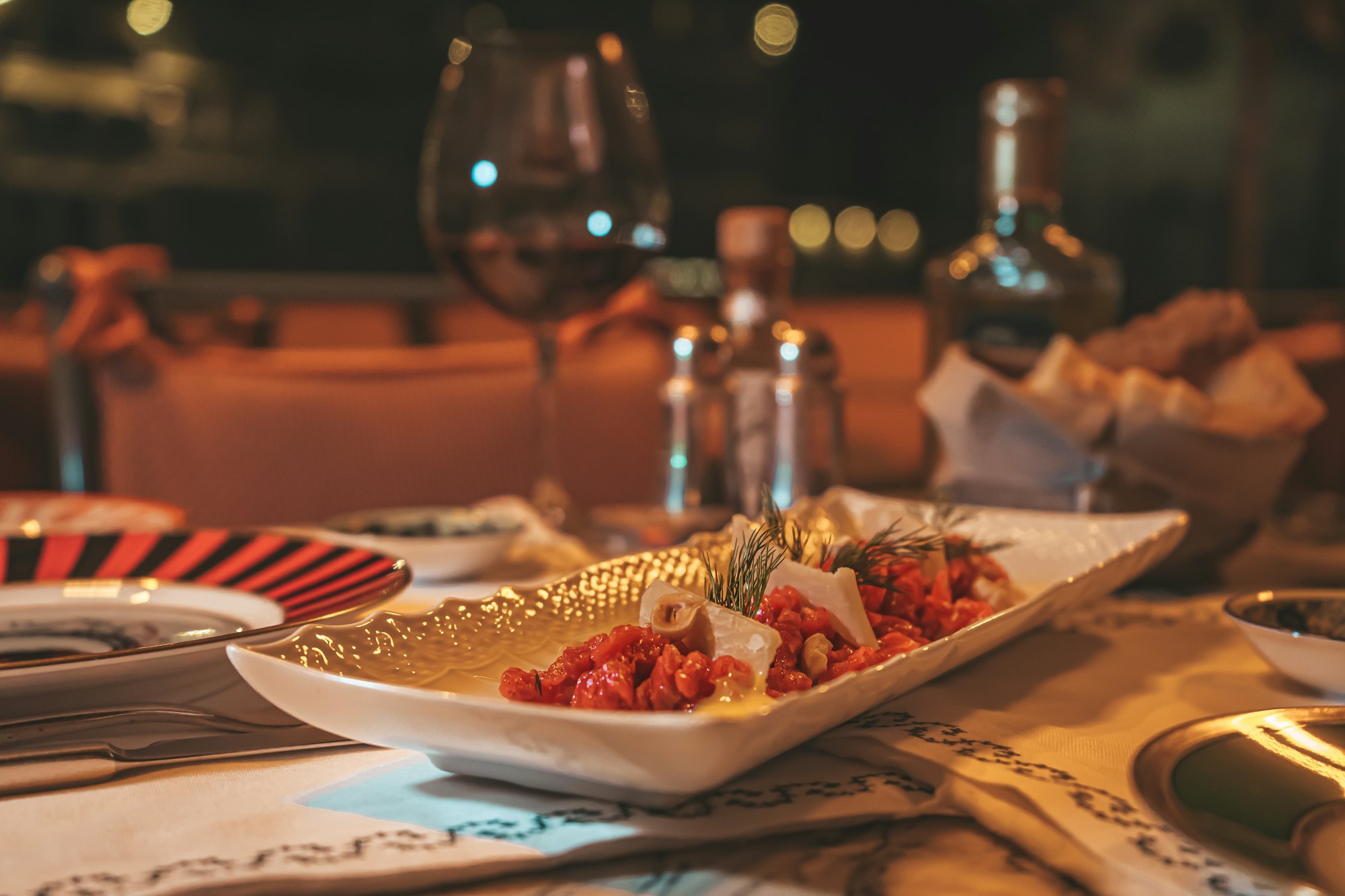
This is the city's signature dish: a thick T-bone steak, cooked over hot coals and served rare. It is usually ordered by weight and shared between two or more people, with white beans dressed in olive oil or roast potatoes and a good Tuscan red. Tradition calls for it rare: if you prefer it otherwise, ask for advice before you order.
02Street food and traditional dishes
Lampredotto is Florence's own street food: part of a cow's stomach, slowly simmered in broth and served in a bread roll with green sauce and, if you like, a touch of chilli. It is eaten standing up at kiosks around the city. For a quick lunch there is also schiacciata, a flat bread with olive oil and salt, filled with cured meats and cheese.
In trattorias, look for the dishes of peasant cooking: ribollita, a thick soup of bread, cavolo nero and beans, best in winter, and pappa al pomodoro, made with bread, tomatoes, garlic and basil. To start, try crostini toscani topped with chicken liver pâté. And notice the bread: in Tuscany it is made without salt, to go with strongly flavoured food.
03Sweets, gelato and wine
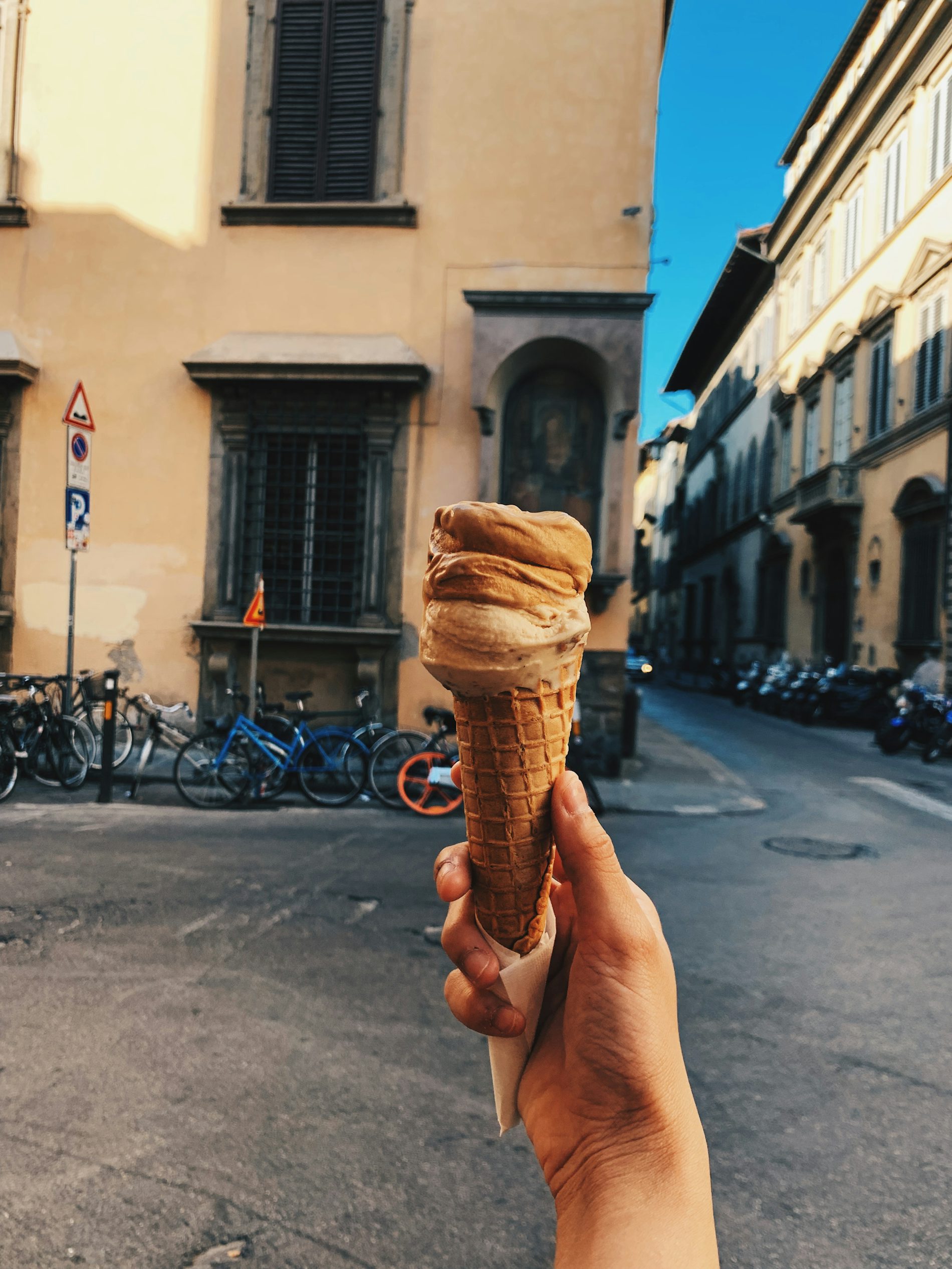
To finish, there are cantucci, crisp almond biscuits from Prato, to dip in vin santo. Florence also has a special bond with gelato: tradition credits its invention to Bernardo Buontalenti at the Medici court, and a custard flavour still bears his name. Look for artisan gelaterias where the colours look natural rather than bright.
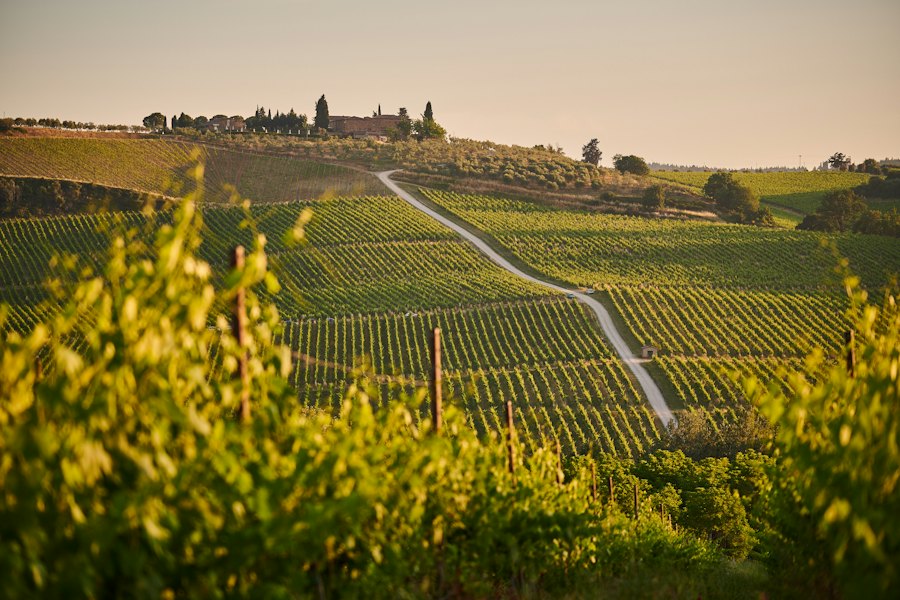
Wine is part of every meal. Chianti Classico, with the black rooster on the bottle, comes from the hills between Florence and Siena; further south are Brunello di Montalcino and Vino Nobile di Montepulciano. Among the whites, try Vernaccia di San Gimignano. In restaurants, the house wine is often an honest choice.
04The markets: San Lorenzo and Sant'Ambrogio
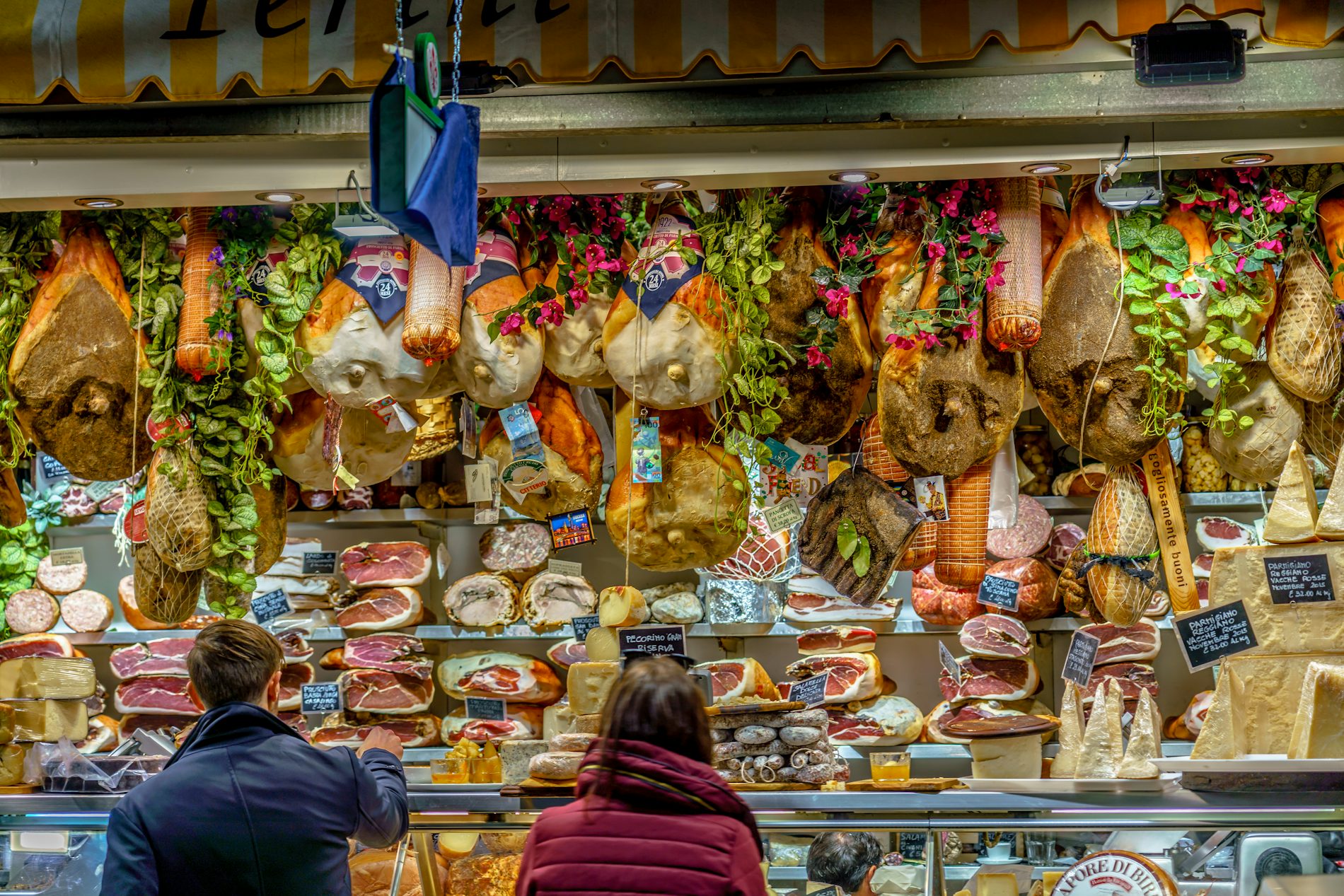
The Mercato Centrale in San Lorenzo, housed in a large nineteenth-century building of iron and glass, is the best place to discover Tuscan produce. On the ground floor are stalls of meat, fish, cheese, cured meats and fresh pasta; upstairs there is a large hall where you can sit down and eat.
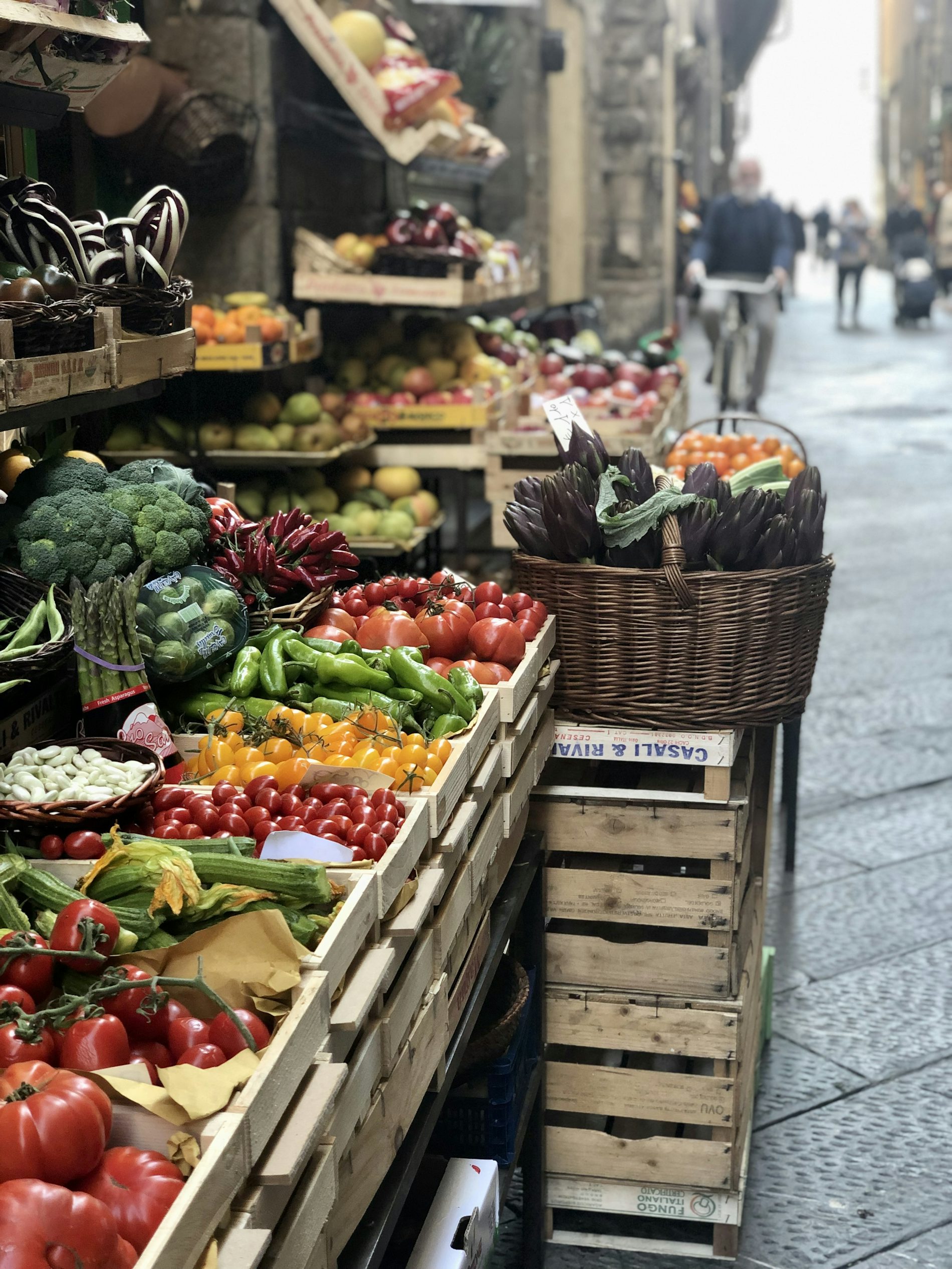
The Sant'Ambrogio market, near Santa Croce, is smaller and used mostly by Florentines: fruit and vegetables on open-air stalls, meat and cheese in the covered hall. Markets are at their best in the morning, when the stalls are full, and ideal if you plan to cook in your apartment.
05Aperitivo, wine bars and mealtimes
Italians have lunch around one and dine later than in northern Europe, rarely before eight. Before dinner comes the aperitivo: a glass of wine or a cocktail with something to nibble. Wine bars, or enoteche, pour wine by the glass with boards of cured meats and cheese, a pleasant way to explore Tuscan wines.
Coffee is drunk standing at the bar, as Florentines do, and cappuccino is a morning drink. In the busier months and at weekends it is wise to book dinner, especially for a larger group or if you would like a table outside.